Why pressure alone is too small for inshore fishing
Inshore days are often driven by moving water first. Tide stage, current speed, wind direction, and bait position can change the whole feel of a shoreline, flat, inlet, or back-bay edge. Pressure can still help, but it usually works as one part of the weather picture rather than the biggest lever on the fish.
That does not make the barometer irrelevant. It just keeps it honest. A falling graph may confirm that the weather is getting more active, while a steady line may support a calmer interpretation of the day. But you still need to know what the tide is doing and how the wind is affecting your water.
What the pressure trend adds to a coastal trip
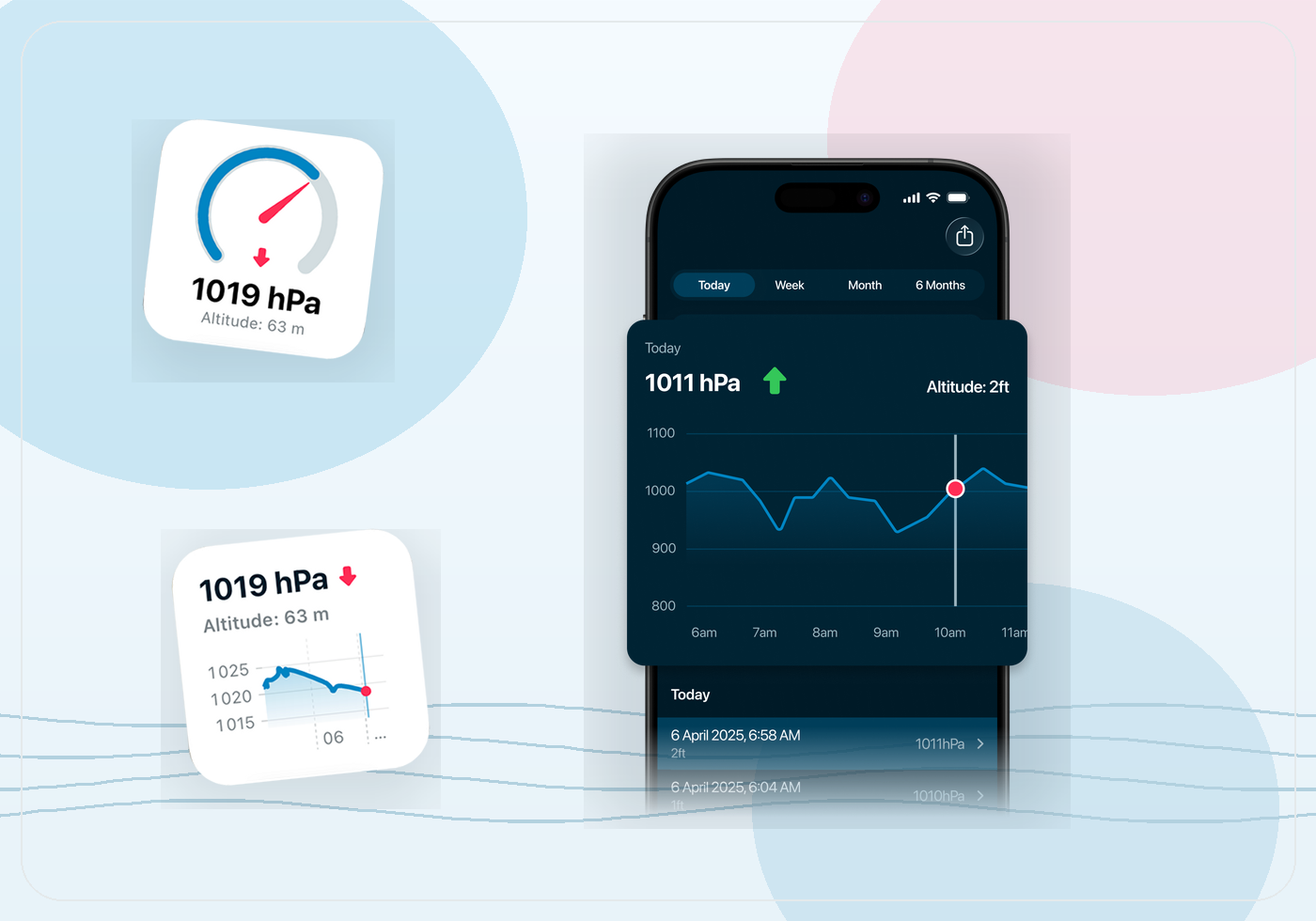
A barometer gives you a local history of whether pressure has been stable, dropping, or recovering around your actual launch or shoreline. That is especially useful when the regional forecast is broad but your inshore water is specific. The graph can show whether the local setup is confirming a front, settling after weather, or staying quieter than expected.
That matters because inshore sessions often depend on timing windows. If the tide is right but the weather is changing faster than expected, your best window may be shorter than you thought. Pressure is useful there because it adds another clue about the pace of the day.
How to use notes after an inshore session
Save simple notes about the tide stage, current strength, wind, bait, and when the best part of the session happened. Those are the details that help you evaluate whether the pressure trend actually mattered or whether moving water and bait position told most of the story.
That kind of log is more valuable than a generic memory like pressure was good. Later, you can compare similar trips and see whether certain pressure shapes consistently line up with the same kind of inshore window, or whether tide and wind are really the bigger drivers on your water.
Key takeaways
- Pressure trends can be useful for inshore trips, but they should be read alongside tide and current.
- A local barometer is strongest for understanding how the weather setup has been changing near your actual trip.
- Notes help you compare inshore sessions across fronts, tides, and wind patterns instead of relying on general sayings.
How Barometric Pressure fits the inshore routine
Barometric Pressure is useful for inshore fishing because it keeps the graph, notes, alerts, and history in one local record. It does not replace marine forecasts or tide tools. It complements them. If the pressure starts dropping faster while you are already watching wind and current, that is meaningful context.
Used that way, the app stays sober and practical. It becomes a weather-awareness layer for inshore trips rather than another forecast score pretending to predict the whole day.